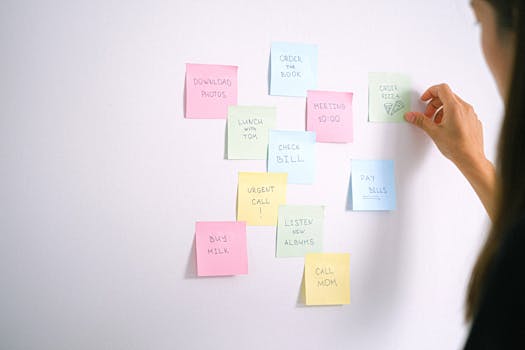

Let’s be honest, most of us have a routine. It might involve staring blankly at the fridge, desperately searching for a snack that magically appeared overnight, or a frantic 5-minute scramble to find matching socks. While these are routines, they’re hardly the kind that lead to glowing skin, boundless energy, or the feeling that you’ve actually achieved something beyond surviving Monday. This is where a healthy routine planner steps in, not as a draconian dictator of your life, but as your friendly, slightly bossy personal assistant for well-being.
Think about it: how many times have you intended to drink more water, get in a quick workout, or even just practice mindful breathing, only to have the day zoom by in a blur of unanswered emails and existential dread? Without a framework, good intentions tend to evaporate faster than a free donut in the breakroom. A well-designed healthy routine planner acts as that framework, gently nudging you towards better habits and helping you build a life that feels less like a runaway train and more like a well-oiled, happy machine.
Why Bother with a Planner When Life’s Already a Mess?
You might be thinking, “A planner? Haven’t I got enough on my plate without adding ‘schedule my happiness’ to the to-do list?” It’s a valid point. But here’s the secret sauce: a healthy routine planner isn’t about adding more to your plate; it’s about reorganizing what’s already there and making room for the good stuff. It’s the difference between trying to juggle flaming torches and having a neat set of shelves where everything has its place.
Here’s why it’s more than just a fancy diary:
Clarity Amidst the Clutter: Life throws curveballs. A planner helps you see the big picture and where your daily actions fit in, making it easier to adapt and stay on track even when things get bumpy.
Habit Formation, Not Fantasy: Wishing for a habit is like wishing for a unicorn. Planning it, scheduling it, and tracking it is how you actually make it real.
Energy Management, Not Just Time Management: A good planner helps you allocate energy to your most important tasks and self-care, preventing burnout and ensuring you have fuel for what truly matters.
Reduced Decision Fatigue: When your healthy habits are already scheduled, you don’t have to waste precious mental energy deciding if you should exercise or when to meditate. You just do it. It’s surprisingly liberating!
The Building Blocks of Your Blueprint for Bliss
So, what exactly goes into a functional healthy routine planner? It’s not about cramming every minute of your day with hyper-optimized activities. It’s about finding a sustainable rhythm that supports your physical, mental, and emotional well-being.
#### 1. The Non-Negotiable Foundations: Sleep, Hydration, and Movement
These are the bedrock of any healthy existence, and they deserve prime real estate in your planner.
Sleep: Are you aiming for 7-9 hours? Block out your ideal bedtime and wake-up time. Be realistic. If you’re currently clocking 4 hours, don’t jump straight to 10. Aim for a gradual increase.
Hydration: This is shockingly simple yet often overlooked. Schedule reminders to drink water. A reusable water bottle within arm’s reach is your best friend here. It’s amazing how much better you feel when you’re not running on dehydration fumes.
Movement: This doesn’t have to mean a grueling CrossFit session if that’s not your jam. It could be a brisk walk around the block, some gentle yoga, dancing to your favorite tunes in the kitchen, or even just a few stretching sessions throughout the day. Schedule it like an important meeting.
#### 2. Nourishing Your Body: Mindful Eating & Meal Prep
Food is fuel, and how we approach it significantly impacts our energy levels and overall health.
Meal Planning: Even a loose plan can save you from those last-minute, less-than-healthy decisions. Jot down a few meal ideas for the week, or at least your main meals for a couple of days.
Prep Power: Dedicate a small block of time for basic meal prep. Chopping veggies, cooking a batch of grains, or hard-boiling eggs can be a game-changer during busy weekdays. Your future self will thank you profusely.
Mindful Moments: Don’t just gobble down your food while scrolling through social media. Schedule a few minutes to actually savor your meals. It enhances digestion and increases your satisfaction.
#### 3. Taming the Mental Mayhem: Mindfulness & Self-Care
This is where many people feel they have the least time, but it’s arguably the most crucial for sustained well-being.
Daily Mindfulness Practice: This could be meditation, deep breathing exercises, journaling, or simply a few minutes of quiet reflection. Even 5 minutes can make a difference. Consistency trumps duration here.
Scheduled Downtime: Yes, schedule your relaxation. Whether it’s reading a book, listening to a podcast, spending time on a hobby, or just staring out the window contemplating the meaning of life (or what’s for dinner), block out this time.
Social Connection: Don’t forget to schedule time to connect with loved ones. It’s a vital part of our mental health, and it’s easy to let it slide when life gets hectic.
#### 4. Building Sustainable Habits: Start Small, Stay Consistent
The siren song of “doing it all” can lead to burnout. A truly effective healthy routine planner embraces gradual progress.
Identify Your “Why”: Why do you want to establish these healthy habits? What are the benefits you hope to achieve? Keeping your “why” front and center will motivate you when willpower wanes.
One Habit at a Time: Trying to overhaul your entire life in a week is a recipe for disaster. Pick one or two habits to focus on initially. Once they feel ingrained, add another.
Track Your Progress: Seeing how far you’ve come is incredibly motivating. Use your planner to tick off completed habits, jot down how you felt, or note any challenges. This data is gold!
Be Flexible, Not Flawless: Life happens. You’ll miss a day, or even a week. The key is not to beat yourself up, but to acknowledge it and get back on track the next opportunity you have. A planner is a tool, not a judgment.
Beyond the Basic Boxes: Personalizing Your Planner
Remember, there’s no one-size-fits-all healthy routine planner. What works for a marathon runner with a flexible work schedule will look vastly different from a busy parent juggling multiple jobs.
Digital vs. Analog: Are you a digital native who loves syncing apps, or do you find joy in the tactile experience of pen on paper? Choose a format that you’ll actually use.
Visual Appeal: If your planner looks drab, you’re less likely to open it. Some planners have beautiful layouts, habit trackers, and inspirational quotes. Find one that sparks joy.
Integration: How can your planner integrate with other aspects of your life? Can it remind you to take medication, schedule doctor’s appointments, or plan for social events?
Wrapping Up: Your Daily Dose of Awesome
Implementing a healthy routine planner isn’t about rigid perfection; it’s about conscious intention. It’s about taking small, consistent steps that, over time, lead to significant improvements in how you feel, function, and live. So, ditch the overwhelm, embrace a little structure, and start designing your own personalized blueprint for a healthier, happier you.
Your journey begins with a single scheduled moment. What will yours be today?

